
-
The Board of Investments is advancing plans to build a highly skilled workforce for the electric vehicle industry by exploring a partnership with China’s largest automotive vocational education institution. This move aims to address critical shortages of EV technicians and engineers while positioning the Philippines as a regional hub for new energy vehicle talent development and technical training.
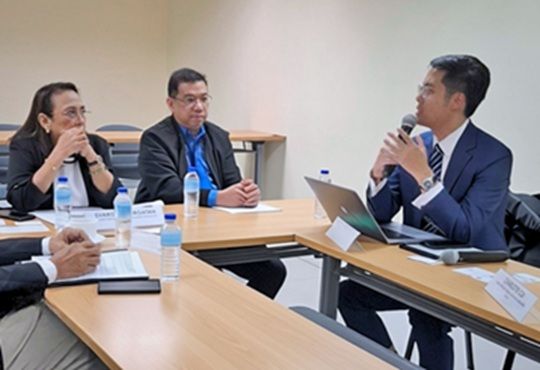
Trade Undersecretary and BOI managing head Ceferino Rodolfo, together with Investments Promotion Service executive director Evariste Cagatan, recently led discussions with executives from Beifang Automotive Education Group. The meeting also included representatives from key industry groups such as the Electric Vehicle Association of the Philippines, the Chamber of Automotive Manufacturers of the Philippines Inc., the Truck Manufacturers Association, and the Motor Vehicle Parts Manufacturers Association of the Philippines.
The talks centered on technical training, certification programs, and the possible establishment of dedicated EV training facilities in the country. Officials highlighted the urgent need to equip Filipino workers with specialized skills across the automotive manufacturing value chain. As the Philippines pushes to attract more investments in EV production and supports the shift from traditional internal combustion engines to new energy vehicles, a ready pool of qualified technicians and engineers has become a key requirement for success.
Rodolfo noted that Beifang’s extensive expertise in automotive education could strengthen the country’s expanding EV ecosystem. He raised the prospect of creating a flagship automotive training center that would help the Philippines emerge as a Southeast Asian hub for new energy vehicle skills development. Such a center would support school-industry partnerships and workforce programs designed to enhance national competitiveness as an investment destination.
Also Read: Revamped Vocational Education in China Empowers Skilled Youth
Zhang Zhihao, general manager of Beifang’s international department, and project manager Cui Yumeng represented the Chinese institution during the discussions. Both sides identified concrete opportunities for cooperation in automotive education, technical skills development, and workforce certification. Beifang also invited BOI officials and Philippine stakeholders to visit its headquarters in Beijing to gain firsthand exposure to its training systems, education platforms, and advanced facilities.
Founded in 1993, Beifang Automotive Education Group stands as China’s largest automotive vocational education institution. Beyond education, it manufactures specialized automotive training equipment. Its programs cover a full range of technologies, including internal combustion engines, hybrids, pure electric vehicles, and hydrogen-powered systems. The group has supported workforce development for major global brands such as Volkswagen, Mercedes-Benz, BMW, Audi, Toyota, BYD, Tesla, and NIO. Over three decades, it has trained hundreds of thousands of automotive professionals and established cooperation links with institutions in more than 100 countries.
This potential partnership arrives at a pivotal moment for the Philippine automotive sector. Government initiatives continue to promote local EV manufacturing, infrastructure build-up, and the broader transition to cleaner mobility. A skilled workforce is widely recognized as essential to converting policy support and investment interest into sustained industrial growth. By bridging education and industry needs, the collaboration could help close existing skills gaps that currently limit the country’s ability to scale EV assembly, maintenance, charging infrastructure, and related services.
The discussions also explored practical pathways such as joint curriculum development, teacher training, student exchanges, and the introduction of industry-aligned certification standards. These measures would ensure that graduates and upskilled workers meet the precise requirements of manufacturers and service providers operating in the Philippines. Establishing local training facilities equipped with modern EV teaching systems would further allow hands-on learning with batteries, motors, control systems, and diagnostic tools that mirror real-world workshop conditions.
For Filipino youth and existing automotive technicians seeking to transition into the new energy sector, expanded training opportunities could open pathways to higher-value jobs. The initiative aligns with broader efforts to modernize technical-vocational education and make it more responsive to emerging industries. Industry associations present at the meeting signaled strong support, recognizing that a reliable supply of trained personnel would encourage greater private investment and accelerate the overall EV ecosystem.
While the partnership remains at the exploratory stage, the constructive dialogue between BOI, Beifang, and local stakeholders marks an important step forward. Follow-up actions, including possible site visits to Beijing and detailed proposals for training centers or joint programs, are expected to shape the next phase of cooperation.
If successfully realized, the collaboration would strengthen the Philippines’ position in the regional electric mobility landscape. It would demonstrate how strategic international partnerships in education and skills development can complement industrial policy, create quality employment, and support the country’s long-term goals for sustainable transport and manufacturing growth. By investing in people alongside technology and infrastructure, the Philippines aims to build a competitive advantage that complements its expanding electric vehicle ecosystem and strengthens its position as a regional hub for new energy vehicle talent and manufacturing.
🍪 Do you like Cookies?
We use cookies to ensure you get the best experience on our website. Read more...