
-
Synopsis
China and South Africa are strengthening cooperation in artificial intelligence education and student mobility through new academic partnerships and exchange initiatives. The collaboration aims to promote AI research, skill development and cross-border learning opportunities while deepening educational and technological ties between the two countries.South Africa and China are rapidly strengthening their partnership in education, technology, and workforce development, creating a model that is now drawing attention from policymakers and academic institutions in India. During the recent bilateral meeting held alongside the World Digital Education Conference in Hangzhou, both countries agreed to expand collaboration in artificial intelligence, digital education, vocational learning, and research innovation to prepare students for the industries of the future. The growing partnership highlights how countries are redesigning education systems to meet global demand for advanced technical skills, creating important lessons for the future of Education Technology and workforce planning in emerging economies like India.
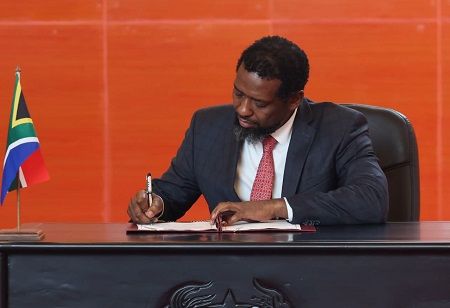
The discussions between South African Higher Education Minister Buti Manamela and Chinese Vice Minister Xu Qingsen focused heavily on building a long-term framework around Artificial Intelligence in Education, digital transformation, and institutional modernization. Officials from both countries emphasized that education systems can no longer rely only on traditional classroom models because industries are increasingly demanding graduates trained in automation, robotics, AI governance, and advanced digital technologies. Indian universities and policymakers are closely watching these developments as India itself accelerates efforts to integrate AI-based learning, smart classrooms, and industry-driven curriculum reforms under the National Education Policy.
One of the most significant announcements was the creation of a Joint Technical Working Group to establish vocational and technical training centers across all nine provinces of South Africa. These centers are expected to train students in future-oriented sectors such as robotics, renewable energy, industrial automation, and advanced manufacturing while directly connecting education with employment opportunities. The initiative mirrors India’s growing focus on Skill Development Programs, where institutions and industries are working together to reduce the gap between academic learning and practical workforce requirements.
Also Read: Marcos Launches EWDG to Transform Philippine Education and Workforce
Experts believe the strong emphasis on Technical and Vocational Education and Training reflects a larger global realization that economies need job-ready graduates equipped with technical expertise rather than only theoretical knowledge. South Africa and China are now aiming to align vocational education with industrial transformation, ensuring students can transition smoothly into sectors experiencing rapid growth and technological disruption. For India, which has one of the world’s youngest populations, the success of such international collaborations could provide valuable insights into expanding Vocational Training and improving employment outcomes for millions of young graduates.
Another major development from the talks was the decision to restructure scholarship and training programs to support industries linked to green energy, engineering, AI, and advanced manufacturing. Future scholarship funding will increasingly focus on strategic sectors capable of driving economic growth and innovation while encouraging postgraduate research and institutional partnerships. The shift reflects a broader global trend where countries are investing in STEM Education and research ecosystems to strengthen competitiveness in emerging technologies and sustainable industrial development.
The partnership also highlighted the growing importance of education-to-employment pathways through direct cooperation between colleges and industries. South African students participating in technical programs with Chinese institutions have already received specialized training in electric vehicle technologies, hybrid systems, and modern automotive manufacturing, while companies like BYD are offering internships and employment opportunities to graduates. Such industry-linked learning models are increasingly influencing global discussions around Future Workforce Skills, especially in countries like India where youth unemployment and technological transition remain major economic challenges.
Education analysts say the China-South Africa collaboration represents a wider shift toward integrating education policy with industrial strategy and technological advancement. Both countries are investing heavily in digital infrastructure, innovation ecosystems, and advanced technical education to strengthen long-term economic resilience and global competitiveness. As India continues expanding its own international partnerships in technology and higher education, the growing focus on Digital Learning Transformation may inspire similar collaborations aimed at preparing students for the rapidly evolving global economy.
🍪 Do you like Cookies?
We use cookies to ensure you get the best experience on our website. Read more...