
-
Synopsis
The Philippines has launched a major Building Information Modeling (BIM) training initiative to modernise the construction sector and prepare workers for the growing digital economy. Supported by international partnerships, the programme aims to strengthen technical education, improve infrastructure efficiency, and create future-ready job opportunities for Filipino youth.The Philippines is taking a major step toward transforming its construction industry through digital innovation after a new group of master trainers completed advanced training in Building Information Modeling (BIM), a technology-driven system increasingly becoming the global standard for modern infrastructure development.
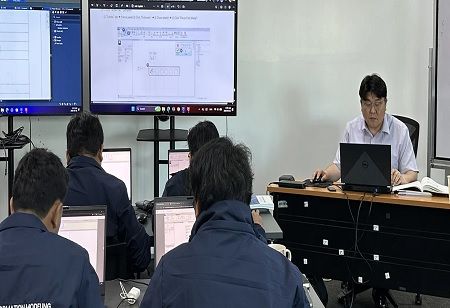
The intensive five-day training programme, conducted from May 18 to 22, 2026, represents far more than a technical workshop. It signals the country’s growing commitment to modernising construction practices, preparing a future-ready workforce, and strengthening the Philippines’ competitiveness in an increasingly digital and sustainability-focused global economy.
Building Information Modeling, commonly known as BIM, has rapidly emerged as one of the most important technologies reshaping the global construction industry. Unlike traditional construction planning systems, BIM enables architects, engineers, contractors, and project managers to collaborate using shared digital models that improve coordination, reduce project errors, strengthen cost management, and enhance sustainability throughout the construction lifecycle.
Today, many governments worldwide already require BIM for publicly funded infrastructure and large-scale development projects because of its ability to improve transparency, minimise material waste, enhance safety standards, and optimise the use of public funds.
For the Philippines, the growing adoption of BIM represents an important opportunity not only to modernise infrastructure delivery but also to prepare Filipino workers for the future of global construction.
The newly trained master trainers are expected to become key drivers of this national transformation. Their role extends beyond technical instruction. They will help localise international BIM standards to suit Philippine industry needs while expanding access to advanced digital construction training across different regions of the country.
The programme introduced participants to South Korea’s highly advanced technical-vocational education methods and real-world BIM applications used in complex infrastructure and semiconductor-related construction projects. Trainers learned critical competencies including project information management, structural and architectural modeling, digital drawing production, and strategic BIM implementation for high-technology projects.
The initiative forms part of the International Labour Organization’s ILO-Korea Partnership Programme on Advancing Digital and Green Skills for Youth in ASEAN, a broader regional effort focused on equipping young workers with skills aligned to the fast-changing demands of digital and environmentally sustainable industries.
The programme specifically aims to create opportunities for young Filipinos, particularly those from low- and middle-skill backgrounds, to access safer, more stable, and better-paying employment opportunities within the rapidly evolving construction sector.
Industry experts increasingly believe that the future of employment in construction will be shaped not just by physical labour, but by digital literacy, technical adaptability, and the ability to work with intelligent construction technologies.
Joshua Miguel Lopez, National Project Coordinator of the ILO/Korea Partnership Programme on Advancing Digital and Green Skills for Youth in ASEAN, highlighted the importance of making digital opportunities accessible to workers across all sectors of society.
According to Lopez, the transformation of construction through digital and green technologies like BIM can help create safer and more formal employment opportunities while improving long-term career growth for workers. He also emphasised that ensuring widespread access to these emerging skills will be critical in building an inclusive workforce capable of participating in future economic growth.
Although the initial batch includes only 10 master trainers, the programme has been designed with long-term national impact in mind. These trainers are expected to support the development of future BIM-focused technical courses, strengthen vocational training institutions, and gradually expand digital construction education nationwide.
The initiative also highlights the growing importance of Technical and Vocational Education and Training (TVET) systems in preparing countries for digital economic transitions.
Engineer Michael Gayona, Center Coordinator of the Technical Education and Skills Development Authority (TESDA) Green Technology Center, noted that BIM has already been identified as an emerging competency essential for building a future-ready workforce in the construction industry.
His remarks reflect a wider shift happening across global education and workforce systems, where governments and industries are increasingly prioritising digital and green skills development as key economic drivers.
Construction continues to remain one of the Philippines’ largest employment-generating industries, supporting millions of workers and contributing significantly to national economic activity beyond Metro Manila. The sector also plays a vital role in overseas employment, where Filipino engineers, architects, and skilled construction professionals are highly sought after across the Middle East, Asia, and other international markets.
As more countries adopt advanced digital construction technologies, BIM skills are expected to become increasingly valuable for Filipino workers competing in both local and international labour markets.
Industry leaders believe the initiative could also strengthen the country’s infrastructure ecosystem by improving project delivery standards, reducing inefficiencies, and helping construction firms adopt more globally competitive practices.
Engineer Ronaldo Elepaño Jr., Immediate Past President of the Philippine Constructors Association, stressed that digital and green skills are becoming essential for workforce competitiveness and career progression.
His statement reflects the broader reality of the modern labour market, where technical expertise increasingly determines employability, salary growth, and professional mobility.
Beyond employment opportunities, the BIM initiative also supports larger national goals connected to sustainability, smart infrastructure, and urban development. Modern construction technologies are now closely linked to energy efficiency, environmental responsibility, and resilient infrastructure planning all areas becoming increasingly important for rapidly developing economies.
Also Read: Top 10 Highest Paying Architectural Engineering Jobs
The Philippines’ push toward BIM adoption demonstrates how digital transformation is no longer limited to industries like finance, technology, or manufacturing. Traditional sectors such as construction are also undergoing rapid technological change, creating new demands for digitally skilled workers and innovative education systems.
Importantly, the initiative highlights the value of international collaboration in workforce development. The partnership involving the International Labour Organization, South Korean educational institutions, TESDA, the Department of Labor and Employment, the Philippine Constructors Association, and the Construction Manpower Development Foundation illustrates how cross-border cooperation can accelerate skill development and industry modernisation.
🍪 Do you like Cookies?
We use cookies to ensure you get the best experience on our website. Read more...