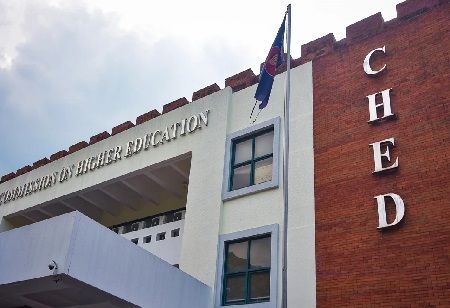
The Commission on Higher Education (CHEd) has issued new guidance allowing all higher education institutions (HEIs) in the Philippines to adopt 100 percent online classes as a temporary measure in response to the ongoing national energy emergency. The move comes amid the country’s struggle with rising oil prices, which have been exacerbated by geopolitical tensions in the Middle East, including recent military actions involving the US, Israel, and Iran.
Under Memorandum No. 117, s. 2026, released by the Office of the Chairperson, CHEd clarified that HEIs may shift to fully online learning as necessary, taking into account each institution’s capacity and student readiness. The commission emphasized that this is a temporary arrangement aimed at maintaining continuity of education while minimizing the impact of the energy crisis. Laboratory and skill-based courses, however, are expected to continue onsite or through suitable alternative methods, ensuring that practical components of learning are not compromised.
Also Read: Infrastructure Lags Behind as Vietnam Pushes for Education Reform
CHEd also highlighted that this temporary shift does not grant authority for programs to operate permanently through Open Distance e-Learning (ODeL) modalities. Institutions are encouraged to carefully consider their infrastructure, student preparedness, and program-specific requirements when deciding which learning modalities to implement. In addition to shifting classroom delivery online, HEIs are instructed to develop and enforce energy conservation protocols and ensure students have access to psychological support and guidance, acknowledging the broader challenges posed by the energy crisis on student well-being and academic performance.
The advisory will remain effective through the end of the Academic Year 2025-2026, including summer classes. This proactive approach by CHEd reflects a commitment to education continuity in times of national emergencies while balancing institutional capacities and the quality of student learning experiences.
As the Philippines navigates the economic and logistical impact of soaring oil prices, the move to online education underscores the flexibility and resilience of the country’s higher education system, allowing students and institutions to adapt without compromising academic progress. By providing clear guidelines for temporary remote learning, CHEd is helping ensure that education remains accessible and safe despite external challenges affecting the nation’s energy and transportation systems.