
-
Dubai Culture & Arts Authority, in partnership with the Knowledge and Human Development Authority (KHDA), has taken a significant step toward strengthening creative education in the emirate. The two bodies organised a dedicated brainstorming session titled 'Innovation Lab: Integrating Arts and Design into the Educational System', aimed at embedding arts more deeply into private school curricula and creating clearer pathways for talented young people.
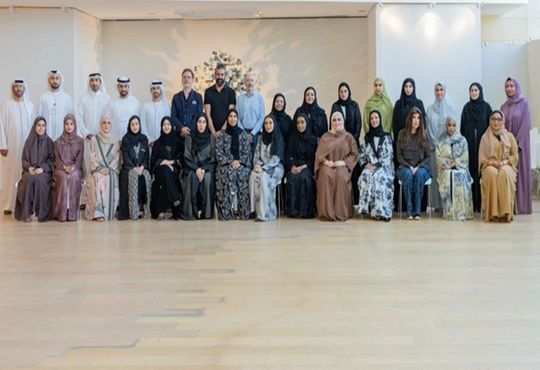
The session took place at the Al Jalila Cultural Centre for Children and brought together senior leaders and staff from both organisations. Discussions focused on practical mechanisms for integrating arts and design across the school system while developing a structured framework to identify, nurture and empower students with creative potential from an early age.
Participants examined a wide range of disciplines and approaches that could enrich classroom learning. These included creative writing, music, theatre, visual arts, design, culinary arts, project-based learning and extracurricular reading. The group reviewed creative programmes already running in Dubai schools and studied successful international models that could be adapted to the local context. The goal was to identify methods that not only strengthen academic outcomes but also foster creativity, critical thinking and innovation among students.
Ahlam Al Bannai, Director of the Al Jalila Cultural Centre for Children, described the session as an important milestone. “The arts are a fundamental pillar of an education system capable of preparing future generations with the skills of innovation, critical thinking and creative expression, enabling them to meet the demands of the future,” she said. “This reflects Dubai Culture’s commitment to developing an integrated education ecosystem that positions the arts as an essential part of the learning experience while nurturing creative talent and supporting the continued growth of the creative economy.”
She added that the outcomes of the discussions would help set priorities for the next phase of work and strengthen collaboration among relevant stakeholders, ensuring high-impact initiatives that deliver lasting benefits for the education sector.
The session concluded with several concrete recommendations. These included conducting a comprehensive study to identify policies and programmes suitable for implementation across schools, mapping opportunities for collaboration with external partners, and defining priority initiatives for both the short and long term. Participants also stressed the need for a shared vision for the future of arts education in Dubai, aligned with the emirate’s ambition to build a knowledge- and innovation-driven creative economy.
The initiative forms part of Dubai Culture’s broader strategy to advance creative education and equip young people with the skills required for innovation. By working closely with KHDA, which regulates private education in Dubai, the authority aims to ensure that arts and design become more systematically embedded in the learning experience rather than remaining peripheral activities.
Officials noted that integrating these subjects more fully can support the early identification of talent and provide students with opportunities to develop creative skills alongside academic ones. Project-based learning and extracurricular reading were highlighted as particularly effective ways to encourage independent thinking and sustained engagement with the arts.
The brainstorming session also reviewed existing creative programmes already operating in schools. Participants discussed how these could be scaled, improved or better connected to a wider ecosystem that includes cultural institutions, industry partners and community organisations. International best practices were examined for lessons that could be applied in Dubai’s unique educational landscape, which combines diverse curricula with a strong focus on future-ready skills.
Also Read: Building the Future of Creative Arts Education Through AI
By bringing education regulators and the cultural authority together in a structured dialogue, the Innovation Lab seeks to move beyond isolated projects toward a more coherent and sustainable approach. The emphasis on partnership, research and long-term planning is intended to ensure that any new initiatives are practical, measurable and aligned with Dubai’s wider economic and cultural goals.
The session represents one element of ongoing efforts to position Dubai as a global centre for the creative economy. Strengthening the role of arts and design in schools is seen as essential to preparing a generation of young people who can contribute to that ambition through innovation, creative expression and entrepreneurial thinking.
Further work is expected to follow the recommendations, including detailed studies and the development of collaborative frameworks. Both Dubai Culture and KHDA have indicated their commitment to continuing the dialogue and translating the ideas generated during the Innovation Lab into actionable programmes that benefit students across the emirate’s private schools.
The focus on early talent development, combined with a clear link to the creative economy, underscores the strategic importance both organisations place on making the arts a core part of education rather than an optional extra. As Dubai continues to invest in its cultural and knowledge sectors, initiatives such as this brainstorming session are designed to ensure that the education system keeps pace with the skills and mindsets required for the future.
🍪 Do you like Cookies?
We use cookies to ensure you get the best experience on our website. Read more...