
-
Synopsis
Thailand’s education ministry is bringing esports into schools to build digital skills, teamwork and creative capacity, while positioning gaming as part of the country’s future economy.Thailand is taking a bold step that could reshape how schools think about gaming, digital learning and career preparation. The government is pushing to integrate esports into schools nationwide, turning what was once widely seen as entertainment into a formal part of education and a pathway toward what officials describe as “digital human capital.”
The move, led by the Ministry of Education, is being presented as much more than a youth activity or a school club idea. It is part of a broader national effort to prepare Thai students for the new economy, strengthen their digital capabilities and connect education more directly with the creative industries that are growing in importance around the world.
According to deputy government spokeswoman Patdarasm Thongsaluaykorn, the policy marks an important step in developing young Thais to support the future economy. That framing is significant because it shows the government is not treating esports as a side activity. Instead, it is being positioned as a serious developmental tool that can help students build skills the country believes will matter in the years ahead.
The initiative also reflects a change in how Thailand wants its education system to function. Rather than focusing only on memorization and routine classroom exercises, the government wants students to learn in ways that encourage thinking, analysis and the use of technology as a tool to enhance their potential. That shift is central to the policy’s purpose. In other words, esports is being used not just to entertain students, but to train them to think differently.
In the first phase, esports will be introduced through 'To Be Number One' clubs in schools across the country. This is a practical starting point because it gives schools a structured way to bring gaming-related activities into student life without immediately overhauling the entire curriculum. The club model also allows the government to test how esports can be integrated in a controlled and supervised environment before expanding it further.
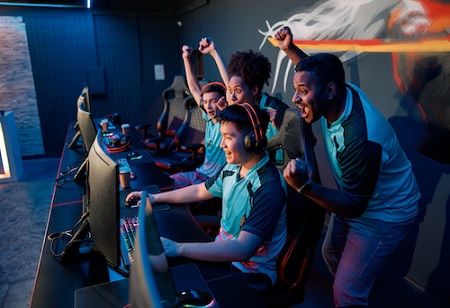
The policy aims to create a space where young people can develop four key areas of skill: technology, analytical thinking, teamwork and self-management. Those are not skills usually associated with gaming in the traditional sense, but they are highly relevant to both digital careers and modern work environments. In competitive esports, students must react quickly, coordinate with others, manage time and stay mentally disciplined, all of which can translate into broader professional strengths.
That skill-building angle is one of the strongest parts of the initiative. Thailand is not simply saying gaming is fun. It is saying gaming can help students learn how to work, think and collaborate in a digital world. By tying esports to skills development, the government is trying to create a policy that speaks both to student interests and to economic needs.
Another important part of the plan is the opportunity for students to represent their schools in competitions at school, national and international levels. That competitive pathway gives the initiative another layer of value. Students will not only participate in school-based activity, but also gain opportunities for public recognition, performance under pressure and exposure to a wider competitive ecosystem. For some, that may open the door to careers in esports, content creation, digital media or related creative industries.
According to Patdarasm, the full learning curriculum will be expanded accordingly. That suggests the government sees this as a developing education model rather than a fixed pilot. As the curriculum grows, esports could become linked to broader lessons in digital literacy, strategic thinking, collaboration and media skills. Over time, that could help turn school gaming programs into more structured talent-development platforms.
The government’s language around the policy is also revealing. Patdarasm said officials do not view esports solely as entertainment, but as a creative industry with enormous economic value that can generate income and careers for youth. That is an important policy message because it frames esports as part of the country’s economic future rather than merely a social trend. In a world where digital content, gaming and creative platforms are becoming major industries, Thailand appears to be trying to position its youth to participate in those markets early.
The move also highlights a wider global shift in how education systems are trying to adapt to changing labor markets. Around the world, governments are increasingly asking how schools can prepare students not just for exams, but for jobs that require digital fluency, adaptability and creativity. Thailand’s esports policy fits into that pattern, but with a unique emphasis on gaming as both a cultural force and a career pathway.
At the same time, the policy could also help change public attitudes. In many places, video games are still seen as distractions from study. Thailand’s decision to place esports inside schools sends the opposite message: that gaming, when structured properly, can be used to build practical skills and future-ready talent. That reframing could influence parents, educators and students alike.
The government’s broader vision is clear. It wants Thai children to move away from learning based only on memorization and toward learning that emphasizes analysis, creative thinking and technology use. The statement that every Thai child has potential and is ready to compete globally if given the right platforms, opportunities and tools captures the spirit of the policy. It is both an educational and an economic argument.
Also Read: Malaysia Ranks 32nd in QS World Future Skills Index
If successful, the initiative could help produce students who are more confident with technology, more comfortable in digital environments and more aware of the career possibilities linked to creative industries. It could also help schools become spaces where students learn not only from textbooks, but from digital systems that reflect the world they are growing into.
There are, of course, practical questions ahead. How will schools manage esports responsibly? What standards will guide participation? How will the curriculum evolve to ensure the program stays educational rather than becoming purely recreational? Those questions will matter as the rollout expands.
For now, though, Thailand has made its direction clear. It wants to treat esports not as a distraction from education, but as part of the solution to future workforce challenges. By bringing gaming into schools, the country is making a larger statement about where education is headed: toward a model that values digital skills, collaboration, creativity and the ability to compete in a technology-driven global economy.
🍪 Do you like Cookies?
We use cookies to ensure you get the best experience on our website. Read more...