
-
The UAE Ministry of Higher Education and Scientific Research is accelerating a major digital reform that is transforming how academic qualifications are recognised across the country. As of mid-August 2026, the Automatic Recognition of Academic and Professional Qualifications initiative has processed 20,536 qualifications from 41 higher education institutions, eliminating the need for graduates to submit separate applications.
The programme represents a clear application of the UAE Government’s Zero Bureaucracy approach and its broader digital transformation agenda. Through direct electronic integration between the Ministry and participating universities, graduates of these institutions receive automatic recognition of their degrees and related documents upon completion of their studies. Certificates, transcripts and supporting data are transmitted securely from the institutions to the Ministry’s systems, verified, and returned electronically. Recognised documents are then added to the student’s digital wallet and made accessible through university portals and the UAE Pass.
Abdulwahab Abdullah Al Jamhi, Director of the Higher Education Qualifications Recognition Services Department, described the shift as a move from traditional, application-based processes to a proactive digital service. “The Automatic Recognition of Academic Qualifications initiative is contributing to a simpler and more efficient experience for graduates by moving from traditional processes based on application submission and manual review to a proactive digital service built on direct integration with higher education institutions,” he said. “We continue to work closely with institutions to complete their participation in the initiative and monitor the performance of existing integrations. This will accelerate the recognition of graduates’ qualifications, enhance the integration and reliability of data, and strengthen graduates’ readiness to enter the labour market.”
The initiative has already delivered tangible employment benefits. It has supported the employment of 9,837 Emirati graduates by automatically creating profiles for them on the Nafis platform once their qualifications are recognised. This step helps accelerate their readiness to access job opportunities and reduces administrative delays that previously slowed entry into the labour market.
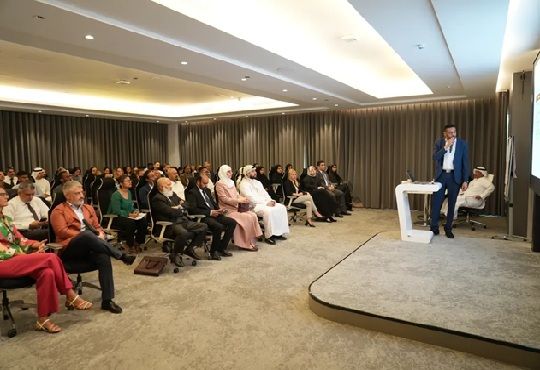
To expand the service further, the Ministry recently held a series of coordination meetings with higher education institutions. The first meeting brought together the 41 universities already participating in the initiative to review progress and performance. A second meeting targeted 45 institutions preparing to join, with the goal of strengthening system readiness for wider implementation. Electronic integration is currently being completed with 18 additional universities, paving the way for their formal inclusion.
During the sessions, Ministry officials outlined the objectives of the initiative and its alignment with national digital transformation and Zero Bureaucracy priorities. Discussions covered the role of higher education institutions, technical requirements for electronic integration, registration and access procedures, testing protocols and launch processes. These measures are designed to ensure the secure and seamless transfer of data and documents between institutions and the Ministry.
Al Jamhi praised the institutions that have already joined the service, noting that their cooperation has helped establish the initiative as a successful national model for proactive digital government services. He encouraged remaining higher education institutions to complete the necessary requirements promptly so that the graduate journey can become faster and more seamless across the sector.
The process for institutions to join includes submission of technical documentation and implementation timelines, preliminary meetings to clarify roles and responsibilities, completion of registration and integration procedures, provision of training and technical support, and rigorous testing before full operation. Integration arrangements are tailored according to whether an institution is federal, local or private, accommodating the specific systems and channels applicable to each category.
Once integrated, participating institutions electronically transmit graduates’ certificates, transcripts and related data. The Ministry verifies the information, completes the recognition process and returns the recognised documents electronically. Graduates gain digital access to their qualifications while secure verification mechanisms allow employers and other parties to confirm authenticity.
Also Read: UAE Schools Celebrates 100 percent Pass Rates in A-Level Results
The Ministry continues to monitor the performance and utilisation of the service in close coordination with higher education institutions. This ongoing oversight supports faster processing, reduces the number of procedures, documents and physical visits required, and delivers a more efficient digital experience for both students and institutions. The approach aligns with the UAE’s broader objectives of simplifying government services and strengthening the link between higher education outcomes and national economic needs.
The Automatic Recognition initiative forms part of the Ministry’s wider mandate to develop a future-ready higher education and scientific research ecosystem. Guided by the Federal Decree-Law on Higher Education and Scientific Research, the Ministry is advancing a regulatory framework that elevates the quality, competitiveness and resilience of higher education institutions while equipping students with the knowledge and skills required for the evolving global workforce.
By removing administrative friction at the point of graduation, the programme helps ensure that academic achievement translates more quickly into labour market readiness. For Emirati graduates in particular, the automatic creation of Nafis profiles provides an additional practical advantage in accessing employment opportunities. As more universities complete integration, the number of automatically recognised qualifications is expected to rise, further embedding the service as a standard feature of the UAE higher education landscape.
The Ministry has called on remaining institutions to accelerate their participation, emphasising that wider adoption will enhance data reliability, speed up recognition and strengthen the overall graduate experience. With 41 universities already operational, 18 nearing completion and dozens more preparing to join, the Automatic Recognition of Academic and Professional Qualifications initiative is steadily moving from a successful pilot to a nationwide digital standard.
🍪 Do you like Cookies?
We use cookies to ensure you get the best experience on our website. Read more...