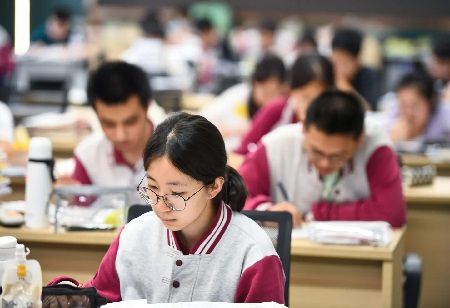
- China launches nationwide 'AI+ Education' initiative to integrate artificial intelligence across all levels of learning
- Plan focuses on system-wide transformation, including AI infrastructure, research, and teacher training reforms
- Aims to build a future-ready workforce by 2035, strengthening global leadership in AI and the digital economy
China is making a bold move to reshape the future of learning, rolling out an ambitious nationwide plan to weave AI in education into every stage of its system from young classrooms to lifelong learning. Spearheaded by the Ministry of Education of China along with other top agencies, the 'AI+ Education' initiative signals how seriously Beijing is taking the global race for artificial intelligence leadership.
At its core, this isn’t just about adding a few coding classes. China is rethinking the entire structure of education to align with a rapidly evolving digital economy. Officials describe it as a 'systemic overhaul' where students won’t just learn about AI they’ll grow up with it embedded in how they think, solve problems, and innovate. From primary schools encouraging curiosity and logic-building to universities driving AI research and cross-disciplinary breakthroughs, the approach is designed to create a seamless pipeline of future-ready talent.
What makes this push even more striking is its scale. Instead of scattered pilot programs, China plans to build a centralized AI infrastructure combining computing power and data platforms into one unified system. The goal is efficiency, accessibility, and nationwide impact, ensuring that even smaller institutions aren’t left behind in the AI revolution.
Also Read: 17th AICCS to Discuss China's Role in a Changing World Order
Teachers, too, are at the heart of this transformation. The plan calls for upgrading teacher training by making AI literacy a core requirement for certification. In other words, educators won’t just teach AI they’ll be fluent in it, shaping smarter classrooms powered by technology.
This move comes as countries like the United States and others ramp up their own AI education investments, turning classrooms into the next battleground for technological dominance. China’s strategy is clear: build a workforce that’s not just ready for the future but actively creating it.
Backed by government funding and long-term planning through 2035, this initiative reflects a bigger vision one where future skills, innovation, and accessibility converge. In a world increasingly defined by algorithms and automation, China is betting that the smartest investment isn’t just in technology, but in the people who will use it.