- Robotics education to reach all types of schools, including Islamic boarding schools and special needs institutions
- Focus on skills, jobs, and digital readiness, preparing students for future careers in technology and AI
- Plan for a standardized national curriculum to ensure consistent robotics and coding education across Indonesia
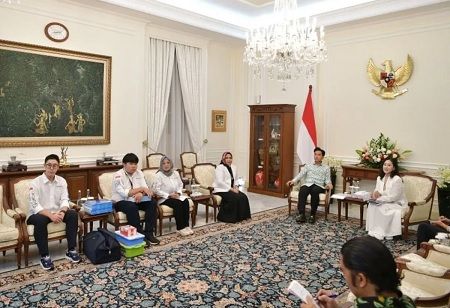
Indonesia’s Vice President Gibran Rakabuming Raka has called for a more inclusive approach to robotics and coding education, urging that technology learning should extend beyond mainstream schools. He emphasized that Islamic boarding schools and special needs schools must also have access to robotics and digital skills training.
Gibran shared these views during a meeting with a delegation from the Indonesian Smart Technology Society (MTCI) at the Vice Presidential Palace in Jakarta. According to MTCI Chairperson Jully Tjindrawan, the vice president showed strong interest in ensuring that students with special needs can learn robotics and coding, helping them gain future-ready skills and equal opportunities.
During the meeting, MTCI presented several proposals, including the development of a standardized robotics and coding curriculum that could be adopted across Indonesia. The discussion covered technology education for students from kindergarten to senior high school, highlighting the importance of starting digital skills training early.
MTCI also shared updates on robotics and coding programs already running in different regions. These initiatives formed the basis for broader talks on building a structured, sustainable, and globally relevant digital education ecosystem.
Also Read: Gumi University Launches Chip Program for Vietnamese Students
Vice President Gibran also explored the idea of setting up integrated technology development centers and an AI Hub to strengthen the national ecosystem for robotics, coding, and artificial intelligence. He encouraged wider adoption of standardized curricula and collaboration among educators, industry, and technology organizations.
The discussions align with President Prabowo Subianto’s directive to accelerate digital transformation in education. They also reflect the government’s commitment to working with stakeholders to prepare Indonesia’s youth with the skills needed for future jobs and global competition.
Through inclusive and skill-focused education, Indonesia aims to build a stronger, more competitive digital workforce.