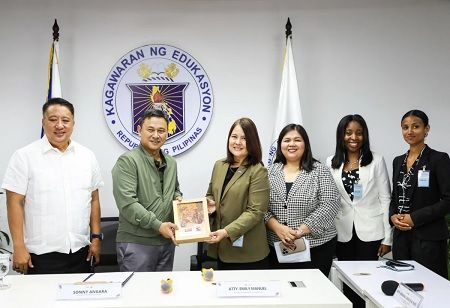
- DepEd partners with Open Ownership to strengthen transparency and accountability in education procurement
- Pilot program uses beneficial ownership data to reduce procurement risks, conflicts of interest, and inefficiencies
- Goal is faster and fairer delivery of classrooms, books, and learning support to schools nationwide
The Philippines Department of Education (DepEd) has partnered with Open Ownership to strengthen transparency and accountability in education procurement. The initiative aims to ensure public funds are used properly and reach schools, teachers, and students on time.
Under a newly signed memorandum of agreement, DepEd will pilot the use of beneficial ownership data in government procurement. This system identifies the real individuals who own, control, or benefit from companies supplying goods and services, going beyond listed company names or signatories.
Education Secretary Sonny Angara said the effort will help DepEd clearly see who is behind its suppliers. Better ownership clarity, he explained, will help prevent problems, reduce delays, and speed up the delivery of classrooms, books, and learner support. The goal is to ensure education funds serve school, not private interests.
DepEd is the country’s largest procuring agency, supported by a record 2026 budget. Its procurement decisions directly affect school buildings, textbooks, learning materials, and student services nationwide, making strong oversight essential.
Also Read: Saudi Arabia Ties Up With RCA to Build Global-Ready Arts Talent
As part of the pilot, DepEd and Open Ownership will review selected past contracts to see how ownership data can identify conflicts of interest, hidden relationships, bid rotation, and market concentration. Open Ownership will also provide technical support, training, and analytical tools.
DepEd stressed the initiative is meant to strengthen systems, not investigate wrongdoing. The project aligns with the New Government Procurement Act and supports more efficient, data-driven spending that improves learning environments and long-term education outcomes.