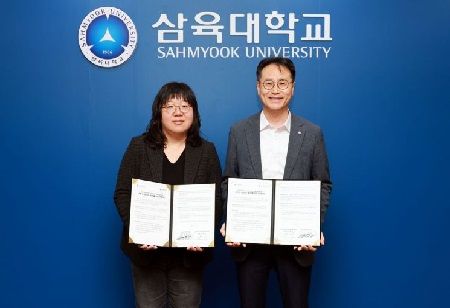
- Samyook University partners with Seoul Volunteer Center to boost student volunteering through an MOU signed on March 5.
- Collaboration links academic learning with community service, offering project-based volunteer activities and service-learning programs.
- Campus-wide campaigns and a joint council aim to foster civic engagement, social responsibility, and sustainable university-community cooperation.
The Glocal Social Innovation Institute at Samyook University has taken a significant step toward enhancing university student volunteering through a new partnership with the Seoul Volunteer Center. Announced on March 18, the collaboration follows a memorandum of understanding (MOU) signed on March 5 in the Grand Conference Room of the Centennial Memorial Hall on campus. The agreement is designed to systematically support volunteer activities that enable students to apply their academic knowledge and talents to address pressing social issues, while fostering stronger ties between the university and the local community.
Under the terms of the agreement, Samyook University will actively participate in the University-Linked Social Participation Project, an initiative led by the Seoul Volunteer Center aimed at expanding the foundation for student volunteer engagement. This project encourages universities across Seoul to collaborate in creating meaningful opportunities for students to contribute to society, leveraging their academic specialties and skills in the process. By linking volunteer work with students’ fields of study, the program ensures that community service is not only impactful but also educational, bridging the gap between classroom learning and real-world problem-solving.
A core feature of this partnership is the joint operation of project-based volunteer activities. These activities will allow students to address local community issues by applying practical knowledge gained in their academic courses. Initiatives will include service-learning programs embedded in the curriculum, as well as extracurricular projects organized by student councils and campus clubs. Such programs are designed to cultivate leadership, teamwork, and a sense of civic duty among students, providing them with hands-on experience in tackling social challenges.
Also Read: How Can Early Childhood Education Promote Sustainability Globally?
Beyond these projects, Samyook University and the Seoul Volunteer Center plan to launch campus-wide volunteer campaigns that focus on key social values such as environmental protection, community restoration, and digital inclusion. By centering activities on these themes, the collaboration aims to build a culture of volunteering on campus, encouraging students to develop a lifelong commitment to civic engagement and social responsibility.
To ensure the sustainability of these efforts, a council composed of representatives from the university, the Seoul Volunteer Center, and local nonprofit organizations will be established. This council will oversee the planning and implementation of long-term initiatives, creating a replicable model for university-community cooperation that addresses ongoing social challenges. By fostering close collaboration between academia and local organizations, the partnership seeks to create a meaningful impact on both students and the communities they serve.
Lee Byunghee, Director of the Glocal Social Innovation Institute, emphasized the transformative potential of the agreement, stating, “Through this partnership, we expect university students to directly participate in solving community issues, thereby developing a sense of social responsibility and enhancing their problem-solving skills. We will continue to work closely with the local community to further realize the university’s social value”.
With this initiative, Samyook University demonstrates its commitment to cultivating socially conscious students while reinforcing the importance of volunteerism in higher education. By integrating academic learning with community service, the university is setting a standard for how educational institutions can contribute to societal well-being while preparing students to become engaged, capable, and responsible citizens.