Synopsis:
Taiwan’s Ministry of Education is promoting AI-powered teaching and personalized learning platforms to help schools modernize classrooms and prepare students for a digital future.
Artificial intelligence is no longer limited to research labs and technology companies. It is now rapidly transforming classrooms, teaching methods, and the overall learning experience for students across the world. Taiwan is among the countries moving aggressively to modernize education systems through AI-powered learning platforms and digital teaching strategies, with the government now placing strong emphasis on helping teachers adapt to the changing educational landscape.
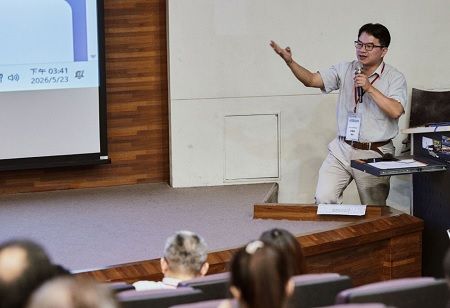
In a major step toward strengthening digital education, Ministry of Education recently organized a high-level science education meeting focused on helping teachers integrate artificial intelligence and digital tools into classroom learning. The event, held at National Taiwan Normal University, brought together high school educators from multiple disciplines including chemistry, biology, earth science, electrical engineering, and electronics.
The initiative reflects Taiwan’s broader vision of preparing students for a future increasingly shaped by AI technologies, automation, and digital transformation. Education leaders believe that classrooms must evolve alongside technological advancements, ensuring students not only consume technology but also develop the skills required to work with intelligent systems in the future economy.
According to the ministry, AI is fundamentally changing how knowledge is delivered, how students engage with lessons, and how educators monitor academic progress. To support this transition, the government is promoting the use of its Adaptive Learning platform, an AI-enabled educational system designed to personalize learning experiences for students based on their individual performance and progress levels.
The platform allows teachers to monitor student understanding before, during, and after lessons while also supporting summer classes and remedial learning programs. Through real-time performance data, educators can identify learning gaps more accurately, adjust teaching methods, and provide targeted academic support for students who may require additional assistance.
As education systems worldwide increasingly move toward personalized learning models, AI-driven tools are becoming essential for improving classroom efficiency and learning outcomes. Instead of relying solely on traditional one-size-fits-all teaching methods, schools are now exploring data-driven education approaches capable of adapting to different student learning styles and academic strengths.
Also Read: University of Macau Launches Initiatives to Cultivate Global Talent and Enhance Research
During the event, educators and experts shared practical applications of AI within classroom environments. National Yang Ming Chiao Tung University teacher Yang Tzu-chi explained how teachers can use data analytics from the platform to better understand student behavior, learning patterns, and performance trends. Meanwhile, Taipei Municipal Yongchun Senior High School teacher Tseng Ching-liang demonstrated how AI can support lesson planning, classroom engagement, and personalized student interaction.
The ministry emphasized that the meeting was designed not only to introduce technology tools but also to encourage collaboration between teachers from different academic backgrounds. Officials believe that cross-disciplinary exchanges could help schools create more effective and flexible learning materials tailored to evolving student needs.
Taiwan’s focus on AI education comes at a time when countries globally are rethinking how future generations should be trained for rapidly changing job markets. As industries increasingly adopt AI technologies, experts argue that students must become comfortable working with intelligent systems from an early stage of education.
The government’s Adaptive Learning platform also reflects a growing shift toward self-paced education, where students can learn step by step according to their individual capabilities. This approach aims to reduce academic pressure while improving understanding and retention through more personalized educational support.
As AI continues reshaping industries and economies worldwide, Taiwan’s latest initiative highlights how education systems are increasingly becoming central to national digital transformation strategies. By empowering teachers with AI-driven tools and encouraging technology-enabled classrooms, Taiwan is positioning itself to build a more future-ready education ecosystem capable of preparing students for the demands of the digital age.