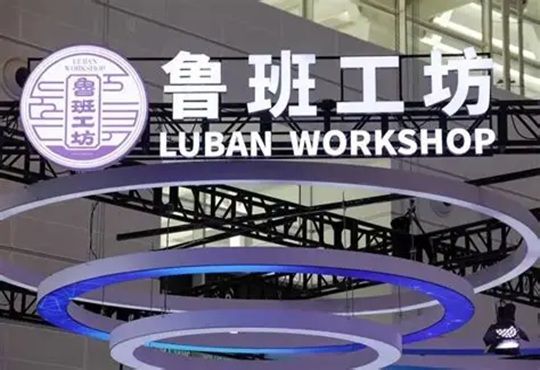
China has established 38 Luban Workshops across 32 countries, providing vocational education and training to more than 190,000 people worldwide, according to the Ministry of Education. The initiative has supported over 30,000 degree students and trained more than 160,000 non-degree trainees, strengthening China's international cooperation in technical and vocational education.
Liu Yong, deputy head of the Ministry of Education's Department of International Cooperation and Exchanges, said Luban Workshops are programmes jointly delivered overseas by Chinese universities to provide degree-level education and vocational training. The initiative aims to share educational resources, develop technical skills and strengthen cooperation between China and partner countries.
Speaking at a news conference on Monday, Liu highlighted the development of Luban Workshops over the past decade. The first workshop was established in Thailand in 2016 through cooperation between vocational schools in Tianjin. Since then, the initiative has expanded from a regional education practice into an international vocational education programme.
Zhang Tao, director of the Tianjin Municipal Education Commission, said China has established 38 Luban Workshops in 32 countries, with Tianjin accounting for 26 workshops across 24 countries. The workshops have developed partnerships with educational institutions and other organisations, supporting vocational training and academic cooperation across different regions.
The initiative has also gained prominence in China's international education engagement. According to Zhang, 10 Luban Workshop projects, including those in Kazakhstan, Djibouti, Egypt and Portugal, have been included in outcome lists from meetings between Chinese and foreign heads of state.
The workshop in Egypt was described by the Chinese and Egyptian presidents as a benchmark for China-Africa vocational education cooperation. Meanwhile, the Kazakhstan workshop was unveiled during the 2025 Shanghai Cooperation Organisation Tianjin Summit in the presence of the two countries' heads of state.
Zhang said the workshops have developed beyond vocational education projects to become part of China's broader international education cooperation under the Belt and Road Initiative. The programme focuses on connecting vocational training with the needs of partner countries while supporting technical skills development and educational collaboration.
Also Read: China Expands Vocational Undergraduate Education System Further
Tianjin has played a significant role in expanding the initiative. A total of 23 universities and vocational schools in the city have participated in developing Luban Workshops, establishing long-term partnerships with 27 organisations across 24 countries.
These partnerships have contributed to the development of educational resources designed to support vocational learning in different international settings. According to Zhang, the participating institutions have developed 720 international courses and published more than 180 bilingual textbooks, helping make vocational education resources accessible to students and trainees in partner countries.
The initiative has also facilitated the sharing of nearly 12,000 sets of teaching equipment. In addition, the participating Tianjin institutions have trained more than 5,000 teachers from partner countries, supporting the development of teaching capabilities and technical education expertise.
The workshops have also provided opportunities for international students to study in China. Zhang said more than 1,000 international students have enrolled in Chinese institutions through the initiative, strengthening academic exchanges and educational links between China and its partner countries.
Industry collaboration forms another component of the programme. Tianjin educational institutions have worked with more than 200 Chinese and international enterprises, including 50 companies based in Tianjin, to establish overseas training facilities.
The partnerships have resulted in the development of more than 60 overseas training bases, offering nearly 3,000 internship and training positions. These facilities provide opportunities for practical learning and technical training, connecting vocational education with workplace experience.
Collaboration between educational institutions and businesses is intended to help students develop practical competencies alongside their academic learning. By creating opportunities for internships and industry-based training, the programme supports the development of technical skills relevant to employment and professional development.
The expansion of Luban Workshops reflects China's efforts to strengthen international cooperation in vocational education through institutional partnerships, curriculum development, teacher training and industry engagement. With 38 workshops operating across 32 countries, the initiative has established an international network connecting Chinese educational institutions with partners overseas.
As the programme continues to develop, its focus on vocational training, bilingual learning resources and practical industry experience provides a framework for educational cooperation across borders. The reported participation of more than 190,000 degree students and non-degree trainees highlights the scale of the initiative and its growing role in international technical and vocational education.