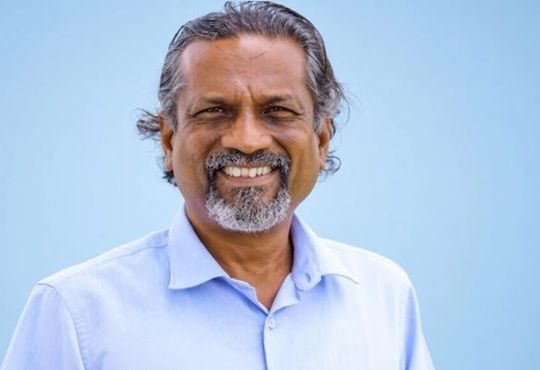
Zoho founder Sridhar Vembu has cautioned that artificial intelligence poses a growing threat to traditional steady-paycheck jobs and has called on India to fundamentally rethink its education model. Drawing parallels with China’s challenges in employing its educated youth, Vembu argued that the long-standing promise of studying hard to secure a stable job and a better life than previous generations is breaking down.
In a recent post on X, Vembu highlighted data showing that around 70 per cent of unemployed people in China aged 20 to 24 hold university degrees. He noted that the issue is not only the overall number of jobs available but also the type of work that young people are being trained and encouraged to pursue. For decades, he said, young Chinese were offered a simple social contract: study hard, obtain a good job, and become richer than their parents. That arrangement, according to Vembu, is now under severe strain.
Vembu observed that education and economic systems across the world have largely prepared young people for what he terms “steady paycheck” jobs. However, these roles are no longer expanding at a pace that matches the rising number of graduates. He warned that automation and artificial intelligence are likely to intensify pressure on such positions in the years ahead. “This problem is about to get worse, not better,” he stated.
His proposed response centres on a major expansion of entrepreneurship and self-employment. Vembu stressed that dramatic gains in these areas are essential and that Indian policymakers should closely examine developments in China as a cautionary signal.
India’s own employment data underline the urgency of the warning. According to Azim Premji University’s State of Working India 2026 report, approximately 67 per cent of unemployed Indians aged 20 to 29 were graduates in 2023. This figure stood at 32 per cent in 2004. The report further noted that India added roughly 50 lakh graduates every year between 2004 and 2023. In the same period, the number of employed graduates rose by only around 28 lakh annually, and just 17 lakh of those secured salaried positions.
Also Read: Beyond Technology: Why Asia Needs Stronger Spine Surgeon Education
The findings indicate that graduate employment has not kept pace with the rapid increase in graduate supply. Concerns related to skills gaps, limited work experience, and a mismatch between what is taught in higher education institutions and what employers actually require have contributed to the problem.
The challenge extends well beyond China and India. Data from the International Labour Organisation show that the global unemployment rate among people aged 15 to 24 rose to 12.4 per cent in 2025, up from 12.3 per cent in 2023. This equates to approximately 67 million young people without jobs. The ILO also reported that 20 per cent of young people worldwide more than 257 million individuals were not in employment, education or training.
The organisation further cautioned that artificial intelligence could add to the pressure. Around 6.1 per cent of jobs currently held by people aged 15 to 29 are in occupations highly exposed to AI-related changes. Even if only 10 per cent of these roles disappear, an estimated 5.6 million young workers could be affected. The ILO also pointed to the shrinking availability of middle-skilled jobs in administration, sales and manufacturing positions that have traditionally served as entry points into the workforce for young people after school or university.
Against this backdrop, Vembu’s argument is that India can no longer rely solely on the traditional pathway of a university degree leading to a stable salary. He maintains that creating substantially more opportunities for individuals to start businesses and work independently will be equally important in the coming years.
The combination of rising graduate numbers, slower growth in salaried employment, and the accelerating impact of AI on routine and middle-skilled roles presents a structural challenge for education systems. Vembu’s call for a shift toward entrepreneurship-oriented education reflects a broader recognition that preparing young people only for conventional employment is becoming insufficient.
Policymakers, educational institutions and industry stakeholders in India now face the task of aligning curricula, skill development programmes and economic incentives more closely with the realities of an AI-influenced labour market. Whether through greater emphasis on practical enterprise skills, support for self-employment, or reforms that reduce the mismatch between academic training and workplace needs, the pressure to adapt is mounting.
Vembu’s comments add a prominent private-sector voice to ongoing debates about the future of work and education in India. By linking China’s experience with domestic graduate unemployment trends and global labour data, he has framed the issue as both an immediate concern and a longer-term structural risk that requires proactive policy and institutional responses.