- Partnership uses AI tools to strengthen literacy and foundational learning outcomes
- Teachers receive data-driven support to personalize instruction and reduce administrative workload
- Nationwide initiative prepares students and educators for an AI-ready, job-oriented education system
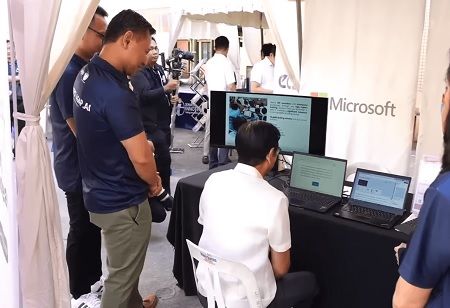
The Philippine Department of Education (DepEd) and Microsoft Philippines are deepening their partnership to improve literacy, strengthen core learning skills, and build AI readiness across the country’s public education system.
At the center of this effort are Microsoft Learning Accelerators, AI-powered tools that help students improve reading, math, and well-being while developing digital literacy and communication skills needed for future jobs. One key tool, Reading Progress, has already shown strong results. In Bais and Dumaguete, over 14,000 students across 61 schools were assessed, while in Cabanatuan City, all learners across three districts moved to higher reading levels.
Reading Progress automates reading assessments and gives teachers clear insights into student performance. This allows educators to spot learning gaps early, tailor support, and spend more time teaching instead of handling paperwork. DepEd has now made the tool a core part of its national literacy strategy.
The initiative supports DepEd’s ARAL (Academic Recovery and Accessible Learning) program, launched in September 2025. Through this program, Microsoft is enabling teachers in 25 school districts and plans to reach 3,000 educators across 1,500 schools by 2026.
Also Read: KUET & PPNS Sign Academic MoU to Advance Skills and Research
DepEd has also introduced AGAP.AI, the country’s first nationwide program for responsible AI use in basic education. The initiative aims to train 1.5 million students, teachers, and parents in AI literacy and ethical use, preparing learners for a technology-driven workforce.
Together, these programs reflect DepEd’s broader goal of improving foundational learning while equipping Filipinos with future-ready skills. Microsoft said the partnership supports inclusive growth by helping students and teachers adapt to a rapidly changing digital economy.