- New schools emphasize technology-based learning to build job-ready skills for the future workforce.
- STEM education is strengthened to help students compete and succeed at the global level.
- Targeted support helps underprivileged students while nurturing high-potential learners.
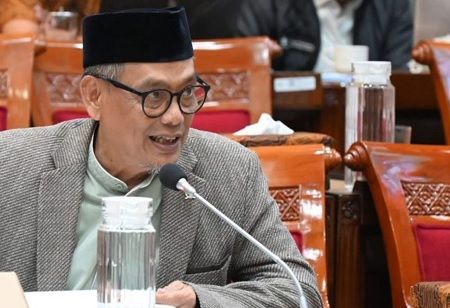
Indonesia’s new education policies under President Prabowo Subianto aim to strengthen technology learning and prepare students for future jobs, according to Abdul Fikri Faqih, a member of Commission X of the Indonesian House of Representatives.
He said the People’s School and Garuda School programs reflect a clear vision to help Indonesia catch up with global leaders in technology and industry. Countries like the United States and China, he noted, have already built strong advantages by investing early in science and engineering education. Today, this progress is visible in industries such as electric vehicles, which are rapidly entering Indonesia’s market.
Abdul stressed that despite concerns about the new government’s focus on defense, human resource development remains a top priority. The difference, he explained, lies in the approach. The government now wants education to focus more on applied technology, practical skills, and workforce readiness.
The People’s School targets children from low-income families. It uses a poverty-reduction approach and involves coordination across ministries. The goal is not only access to education, but also skill development that can lead to better jobs and improved livelihoods.
Also Read: New MindChamps International Preschool Now Open in Maldives
Meanwhile, the Garuda School is designed for high-achieving students with strong potential in science and technology. It operates at the senior secondary level and connects directly with top universities in Indonesia and abroad. The focus is on STEM education to help students move smoothly into higher education and high-skill careers.
Abdul called on the public to move beyond criticism and actively support these initiatives. He emphasized that collaboration between government, educators, and society is essential to build a skilled, job-ready generation and strengthen Indonesia’s future economy.