- Sabah welcomes technology transfer from abroad, seeing it as a strategic tool to boost education, science, technology, and innovation in the state
- Collaboration with Sabah-China Chamber of Commerce encouraged, leveraging Chinese industry ties to bring advanced technologies and expertise, including in AI and TVET
- Focus on human capital and sustainable development, with government-private sector partnerships aimed at strengthening skills, innovation, and capacity building across Sabah
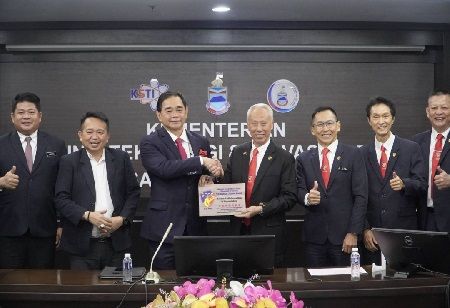
Sabah’s Ministry of Education, Science, Technology and Innovation has expressed strong support for all forms of technology transfer from abroad, describing it as a strategic avenue to bolster the state’s development in education, science, technology and innovation. Minister Datuk James Ratib emphasised that innovation remains a key driver of Sabah’s growth, and the state has consistently sought practical avenues for collaboration between the ministry and the private sector to harness technological advancements.
During a courtesy visit by a delegation from the Sabah China Chamber of Commerce, James encouraged the chamber to continue actively submitting proposals to the state government to introduce advanced technologies from China into Sabah. The delegation was led by the chamber’s president, Datuk Frankie Liew, and included deputy president Brett Chua. James said the strong strategic relationship between the Sabah-China Chamber of Commerce and Chinese industries offered a unique advantage that the state should fully leverage. “The chamber’s chairman, Datuk Frankie Liew, has close ties with companies in China, and these relationships are crucial in opening up opportunities for technological collaborations, investments and the development of expertise in Sabah”, he said.
The minister highlighted that the ministry welcomes all forms of strategic cooperation between the government and the private sector, particularly initiatives involving technology transfer, development of local expertise, and adoption of new technologies, including artificial intelligence, as part of Sabah’s broader development agenda.
Also Read: Skill Development: Paving the Way for Better Employment Opportunities and Growth
He further stressed that the state remains open to receiving expertise and technologies from abroad, especially from China, to strengthen Sabah’s technology industry and skills training initiatives, including in technical and vocational education and training (TVET). “The ministry is confident that this strategic cooperation between the government and private sector should create more opportunities in education, science, technology and innovation, thereby contributing to human capital development and the sustainable progress of Sabah”, James said.
For his part, Brett Chua noted that China possesses several technologies related to TVET that could potentially benefit Sabah, but he also observed that the state currently lacks a suitable platform to fully receive and implement these technologies. He described the visit as a crucial first step towards establishing meaningful collaboration between both parties in the field of TVET, laying the groundwork for future partnerships and knowledge sharing.
Also present during the visit were the ministry’s permanent secretary, Hassan Mahali, and James’ political secretary, Justinus Jalang. The meeting underscored Sabah’s commitment to embracing international expertise and innovative solutions to strengthen its education and technology sectors, while also highlighting the role of cross-border partnerships in driving sustainable development and capacity building for the state’s workforce.