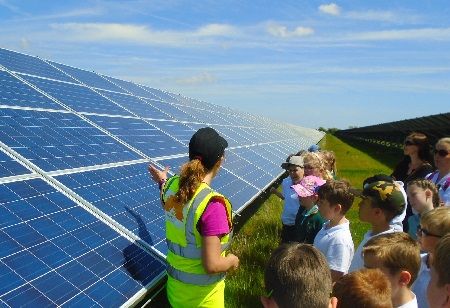
- Zimbabwe is joining a global initiative with countries like India and Philippines to promote solar-powered schools and digital learning.
- The program, led by SUNx Program and Global Himalayan Expedition, focuses on bringing clean energy and technology to underserved communities.
- By combining solar power with digital education tools, the initiative aims to improve access, build climate resilience, and support inclusive learning systems.
Zimbabwe is joining countries such as India, Nepal, Uganda, and the Philippines in a growing global effort to transform education through solar-powered schools and digital learning tools, marking a meaningful step toward more sustainable and inclusive learning systems. The initiative, led by the SUNx Program in partnership with the Global Himalayan Expedition (GHE), is focused on bringing clean energy and modern technology to underserved communities where limited infrastructure has long restricted access to quality education.
At the heart of the program is the installation of solar energy solutions in schools, providing a reliable source of electricity that can power classrooms, devices, and connectivity tools. This shift allows students in remote areas to access digital education platforms, opening up new opportunities for interactive learning and skill development. By combining renewable energy with technology, the initiative helps bridge long-standing gaps in access and supports a more inclusive approach to education.
Also Read: What No One Tells You about Asia's Education System
The program also stands out for its hands-on 'impact expeditions', where participants work directly with local communities to implement these solutions. These experiences go beyond infrastructure by strengthening digital literacy and encouraging collaboration between global volunteers and local educators. The focus is not only on delivering resources but also on ensuring communities have the knowledge and confidence to maintain and benefit from them over time.
Education and sustainability leaders view this effort as a promising model for building climate-resilient education systems that can adapt to environmental and economic challenges. As more countries participate, the initiative reflects a shared commitment to expanding equitable access to education and empowering students through innovation, clean energy, and forward-thinking solutions.