- BIR issues Revenue Memorandum Circular No. 23-2026 to simplify tax incentives for education partnerships.
- New guidelines streamline documentation, accreditation, and reporting for private sector support in schools.
- Aim is to boost private investment in programs like Adopt-a-School and Enterprise-Based Education initiatives.
The Bureau of Internal Revenue (BIR) has introduced new guidelines aimed at making it easier for private organizations to support education in the Philippines through tax incentives. In a statement released Monday, the BIR said the recently issued Revenue Memorandum Circular (RMC) No. 23-2026 simplifies procedures for businesses looking to participate in education partnerships and access related tax breaks.
This move addresses previous concerns from stakeholders about complex compliance requirements and procedural gaps under Revenue Regulations No. 13-2025. With the new circular, private entities now have clearer instructions for submitting the necessary documents to avail of tax incentives for education programs, as well as for meeting accreditation, certification, and reporting requirements. The goal is to make the process more straightforward and efficient, removing confusion and unnecessary bureaucracy.
Also Read: UNESCO and EEA Set to Co-Host 11th Education Meeting Webinar
The incentives apply to a range of initiatives under existing laws, including the Adopt-a-School Act of 1998, the Enterprise-Based Education and Training Framework Act, and pertinent provisions of the Philippine Tax Code. By streamlining these procedures, the BIR hopes to encourage more private sector participation in workforce development and support programs that improve access to quality education.
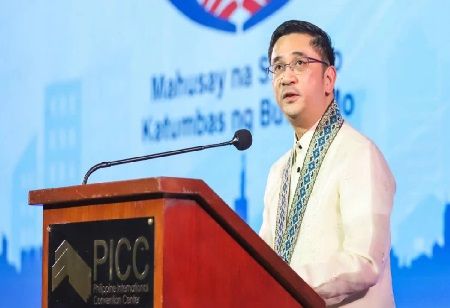
BIR Commissioner Charlito Martin Mendoza emphasized that the new circular reflects a commitment to transparency and efficiency in the tax system. “With the issuance of RMC No. 23-2026, we are making it simpler and faster for the private sector to access the tax incentives they earn by supporting Philippine education”, he said. He added that this effort aligns with broader national goals to enhance skills development, foster industry involvement in training, and contribute to the growth of the Filipino workforce.
By reducing administrative burdens and clarifying rules, the BIR aims to ensure a more consistent application of incentives, making it easier for businesses to invest in education. The new guidelines are expected to strengthen the partnership between the public and private sectors, ultimately supporting initiatives that help Filipino students and educators thrive.