
-
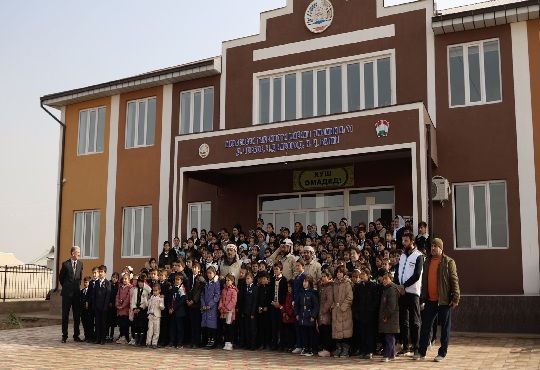
Sharjah Charity International (SCI) has marked a significant milestone in its long-standing commitment to education by completing 1,699 educational facilities across Asia and Africa over the past decade. These facilities are now welcoming 67,960 students as the new academic year begins under the association’s flagship 'Let’s Learn' project.
Funded entirely through the generosity of donors, the initiative forms a core part of SCI’s broader humanitarian mission to expand access to quality education in some of the world’s most underserved regions.
Mohammed Rashid bin Bayat, Vice Chairman of SCI’s Board of Directors, described the start of the new school year as a clear and tangible return on the investments made by benefactors. He emphasised that the schools and classrooms established in remote villages and communities many located within countries that benefit from the United Arab Emirates’ foreign aid programmes are now opening their doors to local children. These facilities provide safe, structured environments where students can learn, develop skills, and pursue opportunities that were previously out of reach.
According to bin Bayat, SCI, with consistent donor support, constructed 1,699 classrooms between 2015 and 2025. The association’s sustained focus on education projects stems from a deep conviction that education is both a fundamental human right and one of the most effective instruments for individual and community empowerment. By prioritising the construction of educational infrastructure in areas with limited resources, SCI aims to address systemic barriers that prevent children from attending school and realising their potential.
The “Let’s Learn” project reflects a strategic approach that goes beyond simply erecting buildings. Each facility is designed to serve as a hub for learning and community development, often in locations where existing infrastructure is inadequate or entirely absent. In many of the countries covered by UAE aid programmes, these schools represent the first modern educational spaces available to local populations.
The impact is measured not only in the number of classrooms built but in the daily lives of nearly 68,000 students who now have a place to study, interact with teachers, and build foundations for future opportunities.
Education remains a central pillar of SCI’s humanitarian work. The association views learning as a pathway out of poverty, a means of fostering social stability, and a tool for long-term development. By concentrating resources on regions with the greatest need, SCI aligns its efforts with broader international goals of inclusive education and sustainable progress.
The project’s decade-long timeline demonstrates consistency and scale: year after year, donor contributions have been translated into physical classrooms that continue to serve successive cohorts of students.
Bin Bayat highlighted that the current academic year offers visible proof of the project’s success. Children who might otherwise have remained outside formal education systems are now enrolled and beginning their studies. Teachers and local communities benefit as well, as the new facilities create employment opportunities and strengthen local capacity for educational delivery. The association’s model relies on partnerships with donors who share the belief that investing in education yields lasting returns for individuals, families, and societies.
Also Read: How MOOCs are Impacting Modern Educational System in Asia
The geographical reach of the 1,699 facilities spans multiple countries in Asia and Africa, targeting remote and rural areas where access has historically been limited. In these settings, the presence of a dedicated school building can transform community dynamics. Parents gain confidence that their children have a safe place to learn; local leaders see education as a viable path for the next generation; and students themselves experience the dignity and possibility that formal schooling provides.
SCI’s work in education sits within the wider framework of UAE humanitarian assistance. The country’s foreign aid programmes have long included education as a priority sector, recognising its multiplier effects across health, economic participation, and social cohesion. By channelling private and institutional donations into concrete infrastructure, SCI translates this national commitment into measurable outcomes on the ground.
The association’s transparency in reporting both the number of facilities and the number of students served helps maintain donor trust and encourages continued support.
Looking ahead, the association remains focused on sustaining and expanding these efforts. Maintenance of existing facilities, training of teachers, and potential future construction projects will depend on ongoing contributions.
Bin Bayat’s remarks underscore a clear message: the generosity of donors has already produced results that can be seen in the faces of tens of thousands of children starting a new school year. The “Let’s Learn” project stands as evidence that targeted, sustained investment in education can create meaningful change across continents.
In an era when global challenges often dominate headlines, stories of practical progress in remote classrooms offer a counterpoint of hope and action. SCI’s decade of work has delivered 1,699 educational spaces and opened doors for 67,960 students. As these young learners begin another academic year, the impact of donor support continues to unfold one classroom, one student, and one community at a time. The association’s commitment to education as a human right and a tool of empowerment remains firm, guided by the principle that every child deserves the opportunity to learn and excel.
🍪 Do you like Cookies?
We use cookies to ensure you get the best experience on our website. Read more...