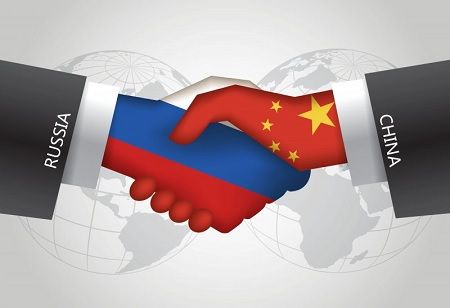
China and Russia are strengthening long‑term healthcare ties through joint oncology research, infectious‑disease symposiums, med‑tech cooperation in Beijing and Shanghai, and an education network of about 140 medical universities, aiming to improve treatment quality and build resilient cross‑border health systems.
China and Russia are deepening their strategic cooperation in healthcare, moving beyond bilateral trade to build long‑term systems in cancer treatment, infectious‑disease control, medical devices, health education, and traditional medicine.
According to reports, the collaboration is already yielding practical outcomes as leading hospitals, research centres, and universities in both countries join forces to raise clinical standards, share data, and tackle global health challenges together.
Joint research and clinical ties in oncology
A standout example of this partnership is the work between Tianjin Medical University Cancer Institute & Hospital in China and major Russian oncology centres, including the Petrov National Medical Research Center of Oncology and Pirogov Russian National Research Medical University. These institutions have collaborated on advanced topics such as breast cancer surgery techniques and bone‑metastasis research, producing joint studies and contributing to international medical journals.
The cooperation allows Chinese and Russian surgeons to compare treatment protocols, refine minimally invasive procedures, and standardize follow‑up care for complex cancer cases. By pooling data and clinical experience, the two sides are not only improving outcomes for local patients but also influencing the global discourse on cancer management and palliative care.
Battling infectious diseases together
On the infectious‑disease front, China and Russia are strengthening their response capabilities through regular academic and clinical exchanges. Since 2018, health institutions from both countries have hosted the Sino‑Russian Symposium on Infectious Diseases, an annual platform where experts discuss influenza, tuberculosis, HIV/AIDS, and disease‑modelling techniques.
These meetings enable scientists and clinicians to share surveillance data, review emerging strains, and coordinate responses to outbreaks along key regional corridors. Public‑health specialists argue that such collaboration is particularly important in an era of heightened cross‑border mobility and climate‑driven disease shifts.
Medical devices: From research to market
The partnership is not limited to hospitals and laboratories. China and Russia are also expanding ties in the medical‑device sector through designated cooperation platforms in Beijing and Shanghai. These hubs focus on joint research, regulatory certification, and market‑access strategies, helping Chinese and Russian manufacturers navigate each other’s approval systems and bring diagnostic and surgical equipment to patients faster.
By aligning standards and streamlining certification processes, both countries hope to reduce dependence on third‑party suppliers and build a more self‑sufficient regional med‑tech ecosystem. This cooperation also supports innovation in wearable devices, imaging systems, and remote‑monitoring tools that are critical for aging populations and rural healthcare delivery.
Also Read: UNESCO, Thailand Sign ASEAN Pact to End School Dropouts
Education and human‑capital exchange
Another pillar of the healthcare alliance is education. A network of around 140 medical universities in China and Russia already supports joint training programmes, dual‑degree initiatives, and faculty exchanges. Students and postgraduates can now rotate between Chinese and Russian teaching hospitals, gaining exposure to diverse clinical settings and public‑health systems.
Officials involved in the collaboration say the goal is to train a generation of bilingual, cross‑border healthcare professionals who can operate effectively in both systems, share research, and lead future public‑health emergencies. This educational pipeline is expected to strengthen not only clinical standards but also trust and mutual understanding between the two nations.
A long‑term vision for shared health systems
Authorities and institutional leaders stress that the growing partnership is not a series of one‑off projects, but part of a long‑term blueprint for shared medical development. They envision integrated disease‑surveillance networks, harmonized regulatory frameworks, and joint responses to future pandemics and other health crises.