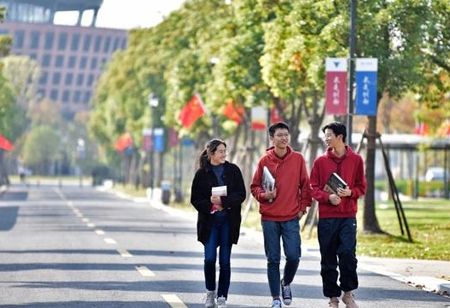
Universities across Asia continue to gain global recognition, with Chinese institutions making significant progress in the latest international university rankings. The development highlights Asia's growing influence in higher education, research, and innovation as countries across the region invest heavily in world-class academic infrastructure and talent development.
According to recently released global university rankings, China has increased its presence among the world's leading universities, with several institutions climbing higher in international standings. Experts attribute the rise to sustained government investment in research, advanced laboratories, faculty recruitment, and strategic support for science and technology programs.
The growth reflects a broader shift in global higher education. Asia now accounts for a substantial share of the world's university enrollments and is expected to educate a large portion of the future academic workforce. Researchers say the region's universities are becoming increasingly competitive in fields such as artificial intelligence, engineering, biotechnology, healthcare, and sustainability.
"Asia is no longer just a destination for learning; it is becoming a global source of knowledge creation and research excellence. Universities in the region are producing influential research while attracting students and academics from around the world," said a higher education analyst.
The rankings also demonstrate changing dynamics in international education. While institutions in the United States and the United Kingdom continue to dominate the very top positions, Asian universities are steadily narrowing the gap through improved research output, stronger industry collaboration, and international partnerships.
Governments throughout Asia have identified higher education as a strategic priority for economic growth and technological advancement. Countries including China, Singapore, Japan, South Korea, and India are expanding investments in research ecosystems, digital learning initiatives, and international collaborations to strengthen their global competitiveness.
Industry experts note that the rise of Asian universities is likely to attract more international students seeking high-quality education closer to home. The trend is already visible in several countries where universities are expanding English-language programs and increasing efforts to recruit students from across the Asia-Pacific region.
The growing reputation of Asian institutions could also reshape global student mobility patterns. As tuition costs and visa regulations become more challenging in some Western destinations, many students are exploring educational opportunities within Asia, where universities increasingly offer globally recognized degrees, advanced research opportunities, and strong employment outcomes.
Education leaders believe the latest rankings signal a long-term transformation rather than a temporary shift. With continued investment in research, innovation, and internationalization, Asian universities are expected to play an increasingly important role in shaping the future of global higher education.
The trend underscores Asia's emergence as a major education powerhouse, capable of producing world-class talent, driving scientific discovery, and contributing to solutions for global challenges in the decades ahead.