- 12 vocational institutes in Ho Chi Minh City receive digital classroom equipment
- German-standard digital education model adapted to local training needs
- Emphasis on digital skills, industry collaboration, and job-ready talent
Vietnam and Germany are strengthening cooperation in vocational education with the rollout of the 'Digital Classroom' model in Ho Chi Minh City, aimed at building digital skills and improving job readiness for students.
As part of the initiative, 12 vocational education institutions in the city have received digital learning equipment worth more than 800 million VND (around USD 30,400). The support is designed to modernize teaching methods and align vocational training with Vietnam’s national digital transformation goals.
The Digital Classroom model follows five German-inspired pillars of digitalized school management, lecturer capacity building, interactive digital learning resources, modern teaching infrastructure, and stronger links between vocational schools and industry. While based on international standards, the model has been adapted to meet local education and workforce needs in Ho Chi Minh City.
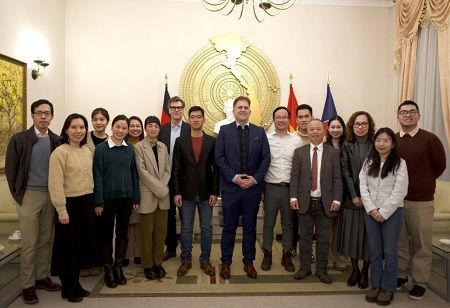
Speaking at the January 22 handover ceremony, Dr. Kambiz Ghawami, President of the German World University Service (WUS), highlighted Vietnam’s progress in digital transformation and artificial intelligence policy. He emphasized that vocational education plays a key role in preparing a skilled workforce for the digital economy.
Also Read: KT&G Student Volunteers Launch Education Drive in Indonesia
Vietnamese-German University and its German partners reaffirmed their long-term commitment to supporting Vietnam’s education system. They expect trained educators and managers to become change leaders who can spread digital teaching practices across vocational institutions.
The initiative is part of the Digital Change Expert (DCE) project launched in 2023 under a partnership between Vietnam and the German state of Hesse. After completing leadership training in Phase 1, the project now focuses on practical implementation and technology transfer, with plans to scale the model nationwide.