
-
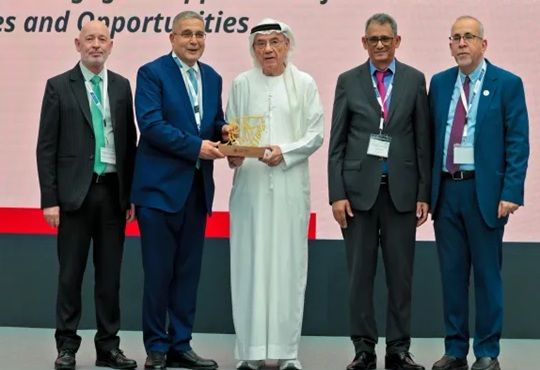
Abu Dhabi University has successfully concluded the third edition of its International Conference on Education, known as ADU_ICEDU2026, held in Al Ain City. The two-day event took place under the patronage of H.E. Sheikh Nahyan bin Mubarak Al Nahyan, UAE Minister of Tolerance and Coexistence, and brought together government representatives, education leaders, researchers and policymakers to explore how teaching methods must evolve for an AI-driven and skills-focused future.
The conference was attended by prominent figures including H.E. Zaki Nusseibeh, Cultural Advisor to the President of the UAE and Chancellor of UAEU; H.E. Mahra Al-Mutaiwie, Director of the Regional Center for Educational Planning (RCEP-UNESCO); Dr. Mohammed Abdullah Al-Ali, Chairman of TRENDS Group; and Mr. Abdelmajeed Shamlawi, Chief Executive Officer of Queen Rania Teacher Academy. Senior leaders and experts from universities, education authorities, schools, industry and professional organisations also participated.
Held under the theme “Designing Pedagogical Approaches for Future Learners: Challenges and Opportunities,” the programme featured 141 research papers presented across 12 thematic tracks. These tracks covered artificial intelligence and digital transformation, sustainability, inclusive education, industry-academic collaboration and related areas.
The schedule included four keynote addresses, a Presidential Dialogue on universities and future learners in the age of AI, a fireside chat on Generation Z and the future of work, high-level panel discussions and five professional development workshops. More than 36 distinguished speakers, moderators and panelists contributed to the discussions.
Professor Ghassan Aouad, Chancellor of Abu Dhabi University and Conference Advisor, emphasised the balance required in educational progress. “The discussions at ADU_ICEDU2026 have reinforced the importance of approaching the future of education with both ambition and responsibility. Technology, particularly AI, is reshaping how knowledge is created, delivered and applied, but meaningful educational progress must continue to be grounded in inclusion, human values and impact. By bringing together different perspectives across education, research, policy and industry collaboration, the conference provides a platform for exchanging ideas that can lead to rapid transformation of education and contribute to stronger learning experiences for better future outcomes”.
Speakers throughout the event highlighted the need for responsible integration of artificial intelligence in teaching and learning. They stressed the importance of equipping learners with future-ready skills and mindsets while ensuring that educational approaches remain inclusive and evidence-based. Discussions repeatedly returned to the principle that emerging technologies should be adopted in ways that remain centred on the needs and experiences of both learners and educators.
Dr. Mohammad Fteiha, Conference Chair, Director of the Al Ain Campus and Director of the Center for Faculty Development and Learning Innovation, noted the practical orientation of the conversations. “This year’s conference brought forward a wide range of perspectives on how teaching and learning are evolving in response to new technologies, changing learner needs and the demands of the future workforce. Importantly, the discussions went beyond identifying challenges to exploring practical approaches that educators and institutions can take forward. We hope the ideas, research and experiences shared at ADU_ICEDU2026 will continue to inform educational practice and contribute to stronger learning outcomes.”
A significant milestone of the conference was the official launch of the Ali Bin Harmal Educational Research Grant. The grant aims to advance educational research across the United Arab Emirates. In its first stage, researchers from Abu Dhabi University and Liwa University will participate, with plans to expand eligibility to other universities nationwide from the 2027–28 academic year.
Researchers and practitioners shared evidence, case studies and emerging approaches across multiple domains, including AI and digital pedagogy, curriculum and assessment design, student success strategies, faculty development, sustainability, experiential learning and industry-academia partnerships. Among the highlighted projects were those supported by ADU’s Teaching and Learning Grant 2025–26.
These initiatives examined how artificial intelligence can improve academic feedback and deepen students’ understanding of complex subjects, alongside innovative work on curriculum design, scientific reasoning and critical thinking. The findings pointed to clear opportunities for translating research into practical teaching methods that can benefit students across different disciplines.
The conference received support from Viory as Silver Sponsor, while the Abu Dhabi Convention and Exhibition Bureau served as Cultural and Destination Partner. Their involvement helped increase the visibility and reach of the event and its dialogue on the future of education. An optional Al Ain City tour was also offered to international participants, providing an opportunity to experience the cultural heritage and destination attractions of the city.
ADU_ICEDU2026 continued the university’s commitment to fostering meaningful dialogue on educational transformation. By gathering diverse voices from policy, research, teaching practice and industry, the conference created a space for examining both the challenges and the opportunities that define the next phase of learning. The emphasis on responsible innovation, inclusion and practical outcomes reflects a growing recognition that technology alone cannot shape effective education. Human values, evidence-based practice and collaboration remain essential.
Also Read: 10 Educational, Sports & Life Skills Activities for Dussehra Holidays
As education systems worldwide confront rapid technological change and shifting workforce demands, events such as ADU_ICEDU2026 play an important role in guiding institutions toward thoughtful and sustainable progress. The research shared, the grants launched and the connections formed during the two days in Al Ain are expected to influence teaching practice and educational policy in the UAE and beyond in the coming years.
The third edition of the International Conference on Education has reinforced Abu Dhabi University’s position as a platform for advancing serious conversation about the future of learning. Through its focus on pedagogical design, future skills and inclusive approaches, the event has contributed valuable insights for educators, researchers and policymakers working to prepare learners for a complex and rapidly evolving world.
🍪 Do you like Cookies?
We use cookies to ensure you get the best experience on our website. Read more...