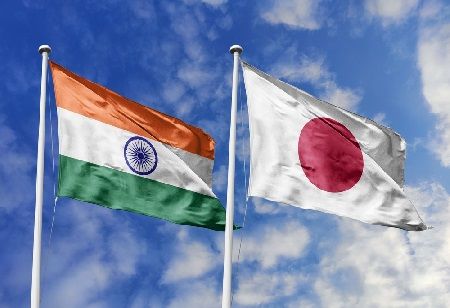
India and Japan are advancing a new phase of cooperation focused on India-Japan workforce cooperation, placing strong emphasis on global talent development and education-linked skill partnerships as both nations respond to shifting global labor demands. These discussions were highlighted during a high-level seminar in Tokyo, where policymakers, academic institutions, and industry leaders explored long-term frameworks for labour mobility systems and structured international employment pathways.
The seminar, jointly organized by the Embassy of India in Japan and Asean ONE Co., became a key platform for discussing how skilled workforce pipelines from India can be aligned with Japan’s growing demand for trained professionals. The event brought together nearly 250 representatives from Japanese companies, including senior executives and human resource leaders seeking deeper engagement with India’s rapidly expanding skilling ecosystem.
Delivering the keynote address, Vandana Gurnani, Secretary at India’s Ministry of Labour and Employment, emphasized India’s emergence as a reliable global talent hub supported by its demographic strength and expanding education infrastructure. She highlighted India’s focus on modernizing labour mobility systems through ITIs, apprenticeship programs, digital skilling platforms, and integrated career services designed to enhance international employability.
She further stressed the importance of strengthening Japanese language education, sector-specific technical training, ethical recruitment standards, and improved skill mapping to ensure smooth workforce integration between the two countries. These initiatives are seen as central to enhancing education-linked skill partnerships that can support long-term migration and employment stability.
Japanese industries have shown strong interest in hiring Indian professionals across high-demand sectors such as manufacturing, caregiving, construction, automobile maintenance, hospitality, agriculture, information technology, and emerging green economy industries. These sectors are facing workforce shortages in Japan, and India’s trained youth population is increasingly viewed as a sustainable solution.
The seminar also witnessed participation from senior Japanese political figures including former Justice Minister Yamashita, State Minister of Economy, Trade and Industry Ino, and State Minister of Education, Culture, Sports, Science and Technology Nakamura. Their involvement highlighted Japan’s strategic focus on strengthening global talent pipelines and enhancing bilateral workforce mobility frameworks.
India’s Ambassador to Japan, Nagma Mohamed Mallick, and Japan Bank for International Cooperation Chairman Tadashi Maeda also contributed to the discussions, reinforcing institutional collaboration between diplomatic and financial bodies supporting workforce development initiatives.
Also Read: Vietnam, Japan Strengthen Bonds via Japanese Language Education
Special remarks from Japanese leadership and India’s political representatives, including Assam Chief Minister Himanta Biswa Sarma and IIT Guwahati leadership, further emphasized the long-term vision of strengthening international education and employment pathways. The Assam government’s FLIGHT program (Foreign Language Initiative for Global Talent) was showcased as a model initiative designed to enhance Japanese language education and improve overseas employability through targeted skill preparation.
Participants also explored expansion of Japanese language training centers and testing infrastructure in India to improve access for students and job seekers. The discussions highlighted the need for closer alignment between academic curricula and industry expectations to ensure smoother occupational transitions.
The event concluded with optimism from ASEAN GROUP Co. Chairman and CEO Toshiaki Nishikawa, who proposed a large-scale personnel exchange program involving 50,000 individuals over the next decade. This initiative is expected to significantly strengthen education-linked skill partnerships, deepen cultural exchange, and enhance long-term India-Japan workforce cooperation, marking a transformative step in global talent mobility and shared economic growth.