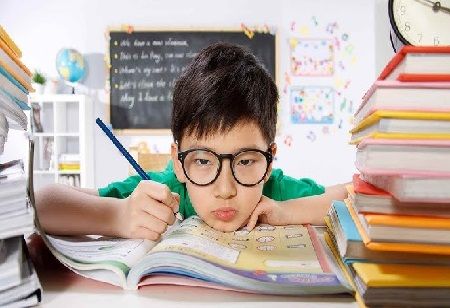
- China’s Ministry of Education announces new policy to reduce student academic pressure and limit excessive homework.
- Schools prohibited from frequent exams aimed solely at ranking students; focus on protecting rest, leisure, and physical activity.
- Preschool to secondary education reforms emphasize balanced learning, holistic development, and safeguarding students’ mental and physical health.
The Chinese Ministry of Education has unveiled a new education policy aimed at easing the heavy academic pressures faced by students. Announced on March 27th through the ministry’s official WeChat platform, the framework sets clear limits on excessive homework and stresses the importance of protecting students’ rest and leisure time. Schools are now prohibited from organizing frequent tests with the primary goal of increasing the learning burden, signaling a shift away from traditional practices that emphasize high-intensity studying as the main path to success.
For many years, heavy exercises and constant academic drills have been common in Chinese schools, often contributing to sleep deprivation, heightened stress, and even anxiety and depression among students. The new regulations underscore the importance of controlling the overall workload while ensuring that primary and secondary school students receive at least two hours of daily physical activity.
Also Read: 10 Top Scholarships Helping Asian Students Achieve Academic Excellence
At the preschool level, authorities are strictly banning the use of primary school teaching methods or pre-programmed curricula. Meanwhile, primary and secondary schools can no longer conduct exams solely to select top-performing students, nor reward or punish teachers based on the success of students in the university entrance exam. These measures aim to create a more balanced and supportive learning environment, where education focuses on development rather than competition.
The policy also emphasizes the need to protect break times, ensuring that students are free to relax and move about instead of being confined to classrooms. This approach aligns with broader changes in the school calendar, which now includes new spring and autumn holidays alongside the traditional summer and winter breaks. Some institutions have already embraced creative holiday programs, such as a Sichuan aviation vocational college that organized spring activities encouraging students to enjoy nature and explore life beyond textbooks.
Through these efforts, the Chinese government hopes to improve students’ overall health, nurture a more positive attitude toward learning, and foster lasting changes in society. By reducing stress and promoting well-rounded growth, the new policy marks a significant step toward a more holistic education system in China.