Synopsis:
TESDA and Misamis Oriental LGU are strengthening a training program that prepares caregiving graduates for jobs in Japan. The initiative focuses on Japanese language skills and industry-based training to meet overseas employment needs. The first batch has completed A1–A2 Nihongo training, moving closer to deployment in Japan’s care sector.
The Technical Education and Skills Development Authority (TESDA), in partnership with the Provincial Government of Misamis Oriental, is strengthening a training pathway that prepares Filipino caregiving graduates for job opportunities in Japan. The program focuses on language training and industry-based skills to meet growing demand for care workers abroad.
The initiative began after the Provincial Government, through its Public Employment Service Office (PESO), requested TESDA’s support in identifying qualified Caregiving NC II holders who could be deployed to Japan. The collaboration aims to ensure that workers are job-ready, especially in terms of communication skills required by Japanese employers.
TESDA Misamis Oriental Provincial Director Marigold Cherie Garrido, said, language proficiency remains one of the most important requirements for employment in Japan. She stressed that while demand for care workers is high, candidates must first meet language standards before deployment. “The biggest requirement is really language training,” Garrido said, noting that communication skills are essential for caregiving roles in Japan.
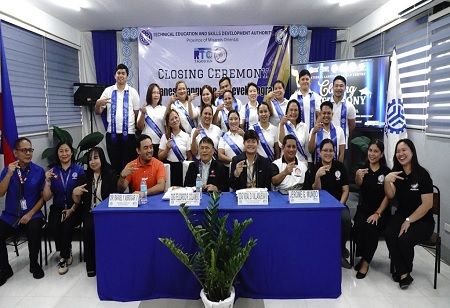
The first group of scholars underwent Nihongo training at A1 and A2 levels under TESDA’s National Language Skills Center. The training prepares them for possible deployment to Kyoto, Japan. Out of 25 trainees, 16 successfully advanced to the A2 level between April 13 and August 15. This progress brings them closer to meeting deployment requirements set by Japanese employers.
“Some of the training was conducted online, but they were guided until they could understand and use the Japanese language needed for work,” Garrido added. She also shared that Japanese employers are expected to visit Misamis Oriental soon to meet the trainees and finalize possible hiring arrangements. According to her, the 16 trainees are almost assured of deployment once they complete the remaining language requirements.
TESDA said the program may also open opportunities in other sectors such as welding and construction if the pilot batch succeeds. The agency continues to expand industry-based training programs under Republic Act 12063, also known as the Enterprise-Based Education and Training Act, which aligns technical education with actual labor market demand.
Garrido emphasized that technical-vocational education remains one of the fastest routes to employment today. TESDA is also expanding free training programs for repatriated overseas Filipino workers and their families in areas such as virtual assistance, artificial intelligence data annotation, and drone operations, in partnership with both government and private sectors.
She added that these efforts support the broader goal of strengthening workforce development in line with national priorities. TESDA is aligning its training programs with sectors that continue to show strong demand, including healthcare, construction, tourism, agriculture, and information technology.
The language training initiative was made possible through coordination between TESDA, the provincial government led by Governor Juliette Uy, and the PESO office in Misamis Oriental.
For trainees like Fatima Namocat, the program represents more than job preparation. It is also a step toward a better future for their families. She shared that the experience has taught them discipline, teamwork, and cultural understanding. “We study not just for ourselves, but to provide a better life and a sustainable future for our families back home,” Namocat said.
Also Read: China And South Africa Boost AI Education And Student Mobility Ties
She compared their learning journey to the Japanese kanji character for 'person,' where two strokes support each other. “Just as we have supported one another in this classroom, we will also support the people we will soon care for in Japan,” she said.
Namocat admitted that learning Hiragana, Katakana, and Kanji was challenging at first, but consistent practice helped her improve steadily. She expressed gratitude to TESDA and local partners for guiding them toward overseas employment opportunities. “Our bags are packed, our hearts are ready, and our voices are now heard in two languages,” she said.