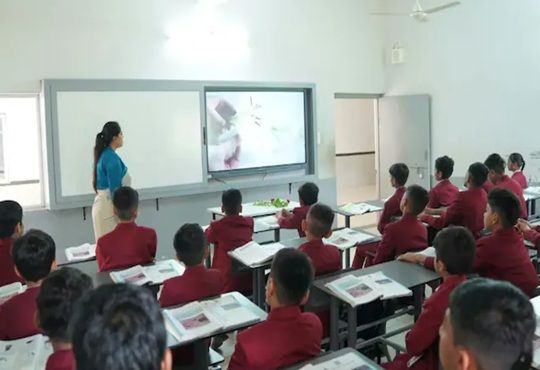
The Sikkim government has introduced an artificial intelligence-powered learning programme across 71 government schools in Gangtok district to strengthen foundational literacy and numeracy among students of Classes 3 to 5. The initiative, known as AI-FunZone, is being implemented in collaboration with the EkStep Foundation under a Memorandum of Understanding signed in April 2026.
The programme covers schools in the Khamdong, Nandok and Martam blocks. It aims to provide personalised learning support in English, Nepali and Mathematics through short daily practice sessions on computers or shared digital devices. According to an official statement from the Education Department, the AI system can listen to students as they read, identify specific difficulties and adjust subsequent activities according to each student’s individual learning level.
In Mathematics, the system detects particular errors made by students and adapts practice exercises accordingly. A real-time dashboard enables teachers to monitor individual progress and pinpoint areas where additional classroom support may be required. The department has clarified that AI will function strictly as a support tool and will not replace teachers.
Practice sessions are being integrated into the regular school timetable through a dedicated 60-minute AI-FunZone class. The programme uses computers, graphics, audio and interactive activities to encourage independent practice and remedial learning. Because the approach is non-examination-based, students can practise without the pressure of ranking or comparison. AI-generated assessments further help teachers identify learning gaps and address them during regular teaching hours.
Around 300 resource persons from the three participating blocks have already received training for the programme. School heads have reported that the initiative is relatively easy to implement and involves limited additional administrative work. Teachers and students have also responded positively so far.
However, the Education Department has acknowledged certain infrastructure challenges. The programme requires computers or tablets, headsets and high-speed internet connectivity. Some standalone primary and junior high schools currently face shortages of digital equipment, which could affect uniform implementation across all 71 schools.
Officials emphasised that the AI-based system is intended to supplement classroom teaching rather than substitute it. By enabling continuous monitoring of student progress and targeted remedial support, the programme seeks to close foundational learning gaps more effectively. The combination of personalised practice, teacher oversight and structured daily sessions is designed to make learning more adaptive while keeping educators at the centre of the process.
Also Read: Asia Is Becoming a New Choice for International Students
The rollout in Gangtok district marks one of the more structured state-level efforts in India to integrate artificial intelligence into early-grade education. By focusing on literacy and numeracy in three languages and using adaptive technology for daily practice, Sikkim aims to give young students a stronger academic foundation. As the programme progresses, the department will continue to address infrastructure gaps and refine implementation based on feedback from schools and teachers.