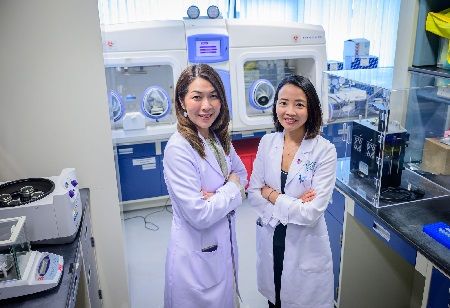
- Chinese University of Hong Kong launches the Women in Science and Medicine Academy (WISE) to support women in biomedical research
- The initiative aims to train 100 women scientists over five years through mentorship, leadership development, and global collaboration
- WISE seeks to address gender gaps in STEM leadership while strengthening Hong Kong’s position as a hub for scientific talent
In a significant step toward advancing women in science and medicine, The Chinese University of Hong Kong (CUHK) has launched the Women in Science and Medicine Academy (WISE) through its Faculty of Medicine. The initiative reflects a growing global focus on strengthening scientific talent development while addressing persistent gender gaps in research leadership.
Despite steady progress, women remain underrepresented in senior scientific roles worldwide. According to global estimates, only about one in three researchers is a woman, and even fewer hold leadership positions in STEM fields. Against this backdrop, WISE aims to create a more supportive and structured pathway for women researchers in biomedical sciences to advance their careers.
The programme is designed to nurture 100 women scientists over the next five years, positioning Hong Kong as a leading hub for women clinician scientists in Asia. Through mentorship, leadership training, and global collaboration opportunities, WISE seeks to equip participants with the tools needed to thrive in competitive research environments. It also emphasizes building a more inclusive culture by promoting flexible work arrangements and stronger support systems for balancing research and family responsibilities.
Also Read: Empowering Future Leaders: Scholarships for Women in STEM across Asia
Hong Kong already stands out for its strong higher education ecosystem and commitment to gender equality, making it an attractive destination for international research talent. CU Medicine’s latest initiative builds on these strengths, aiming to further enhance the city’s role in global biomedical innovation while contributing to long-term talent development in higher education.
Leaders behind the programme highlight that women bring critical perspectives, resilience, and innovation to science, yet often face barriers at key stages of their careers. By offering sustained support and international exposure, WISE hopes to empower a new generation of women scientists to take on leadership roles and drive meaningful research outcomes.
As global competition for talent intensifies, initiatives like WISE signal a broader shift toward more inclusive and future-focused research ecosystems, ensuring that women play a central role in shaping the future of science and medicine.